

Hardie Gravis Panel
Hardie Gravis Panel
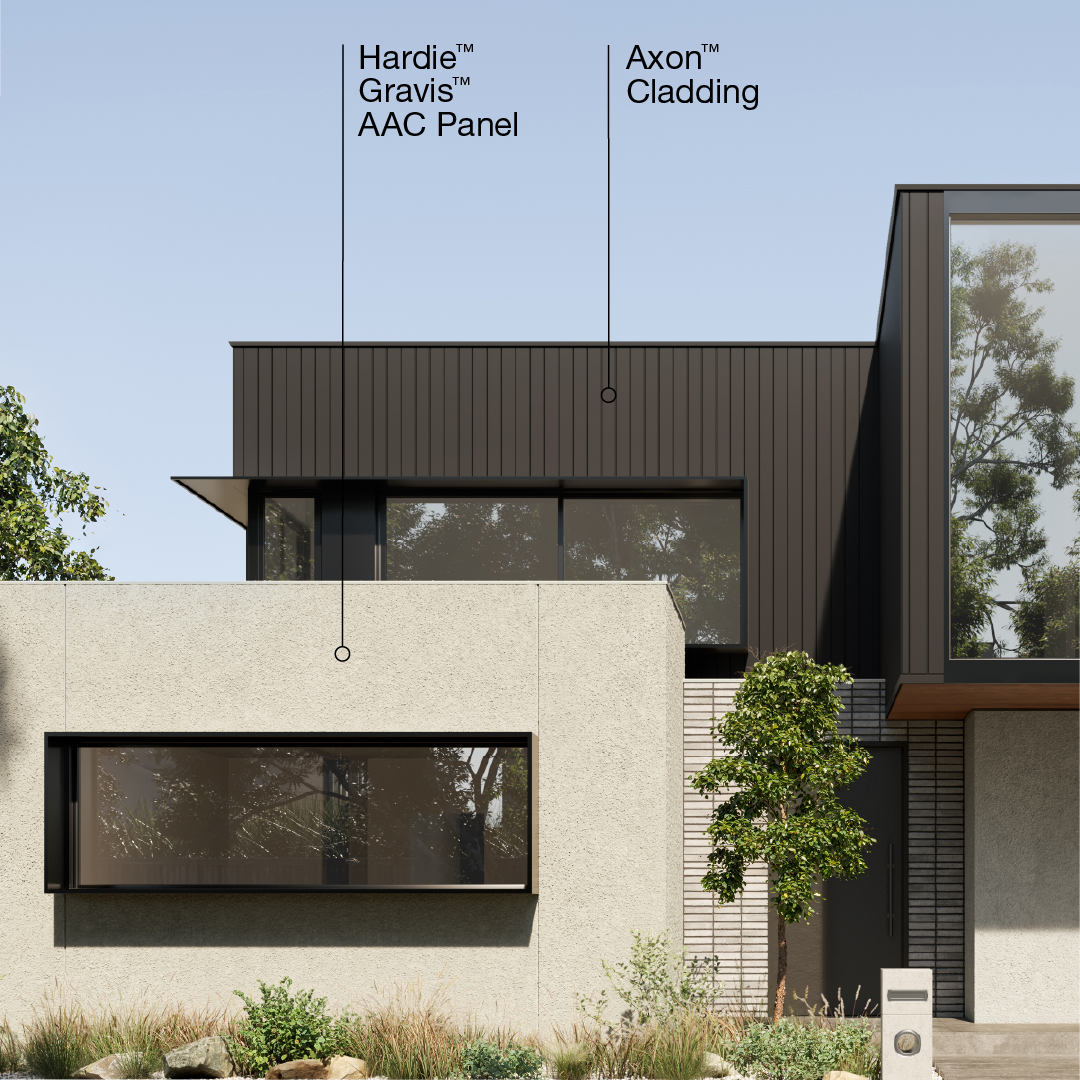
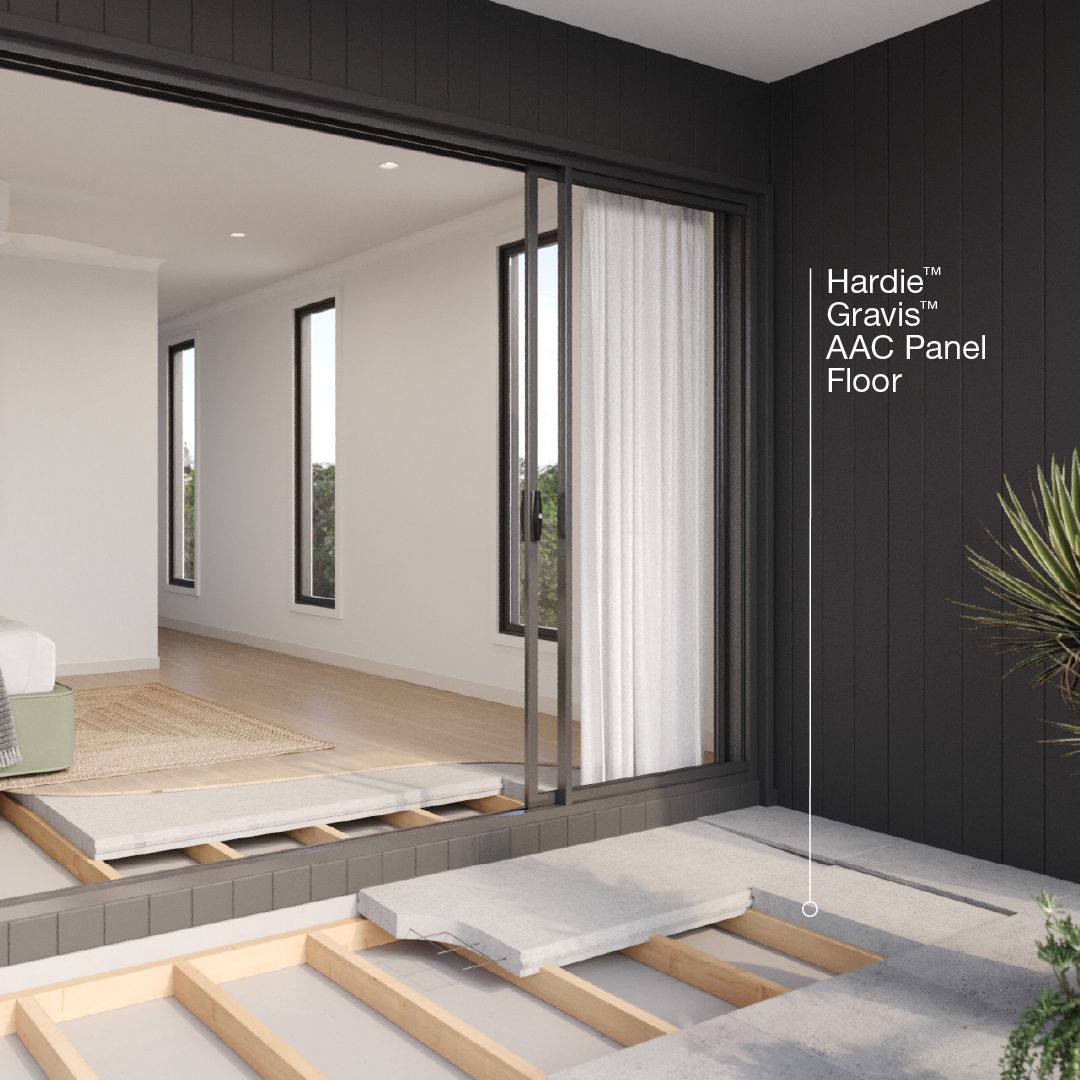

The introduction of the Hardie Gravis Panel marks an important evolution in how modern Australian homes can be built with Hardie products. By bringing autoclaved aerated concrete (AAC) and fibre cement exterior wall solutions together under one trusted brand, James Hardie offers a complete exterior wall solution for builders, installers, designers and architects delivering modern mixed-material homes.
Features & Benefits
Energy Efficient
The aerated structure offers excellent thermal insulation, helping homes stay cool in summer and warm in winter. Can help achieve 7-Star energy rating requirements.
The aerated structure offers excellent thermal insulation, helping homes stay cool in summer and warm in winter. Can help achieve 7-Star energy rating requirements.
Quiet Living Spaces
Reduces sound transmission between rooms and floors, creating peaceful interiors.
Reduces sound transmission between rooms and floors, creating peaceful interiors.
Creative Freedom
Approved for use with Dulux Acratex, Rockcote, and Sto Australia coating systems. Can be rendered and painted for a range of curated textures and finishes.
Approved for use with Dulux Acratex, Rockcote, and Sto Australia coating systems. Can be rendered and painted for a range of curated textures and finishes.
Fast & Efficient Build
Enables fast and efficient construction backed by Australia’s #1 cladding brand.
Enables fast and efficient construction backed by Australia’s #1 cladding brand.
Built-In Fire Resistance
Non-combustible — meets all Bushfire Attack Level (BAL) requirements, suitable for bushfire prone areas.
Non-combustible — meets all Bushfire Attack Level (BAL) requirements, suitable for bushfire prone areas.
Engineered to Endure
Steel-reinforced panel with corrosion-protected steel for long-term structural integrity.
Steel-reinforced panel with corrosion-protected steel for long-term structural integrity.
Product Range
- Hardie Gravis Panel Wall — Available in 50mm and 75mm profiles across lengths from 2200mm to 3300mm. Suitable for external walls, intertenancy walls, and zero lot walls.
- Hardie Gravis Panel Floor — 75mm tongue and groove AAC flooring panel (1800x600mm). Suitable for first floors, suspended ground floors, decks and balconies.
Technical Downloads & Resources
| Document Title | Action |
|---|---|
| Hardie Gravis Panel Brochure Product overview, system benefits, range and applications. |
Download PDF |
| James Hardie Best Practice Guide General best practice guidelines for installation and finishing. |
Download PDF |
| External & Zero Lot Walls Installation Guide Step-by-step installation instructions for external and zero lot wall applications. |
Download PDF |
| Intertenancy Installation Guide Installation guidance for intertenancy wall systems. |
Download PDF |